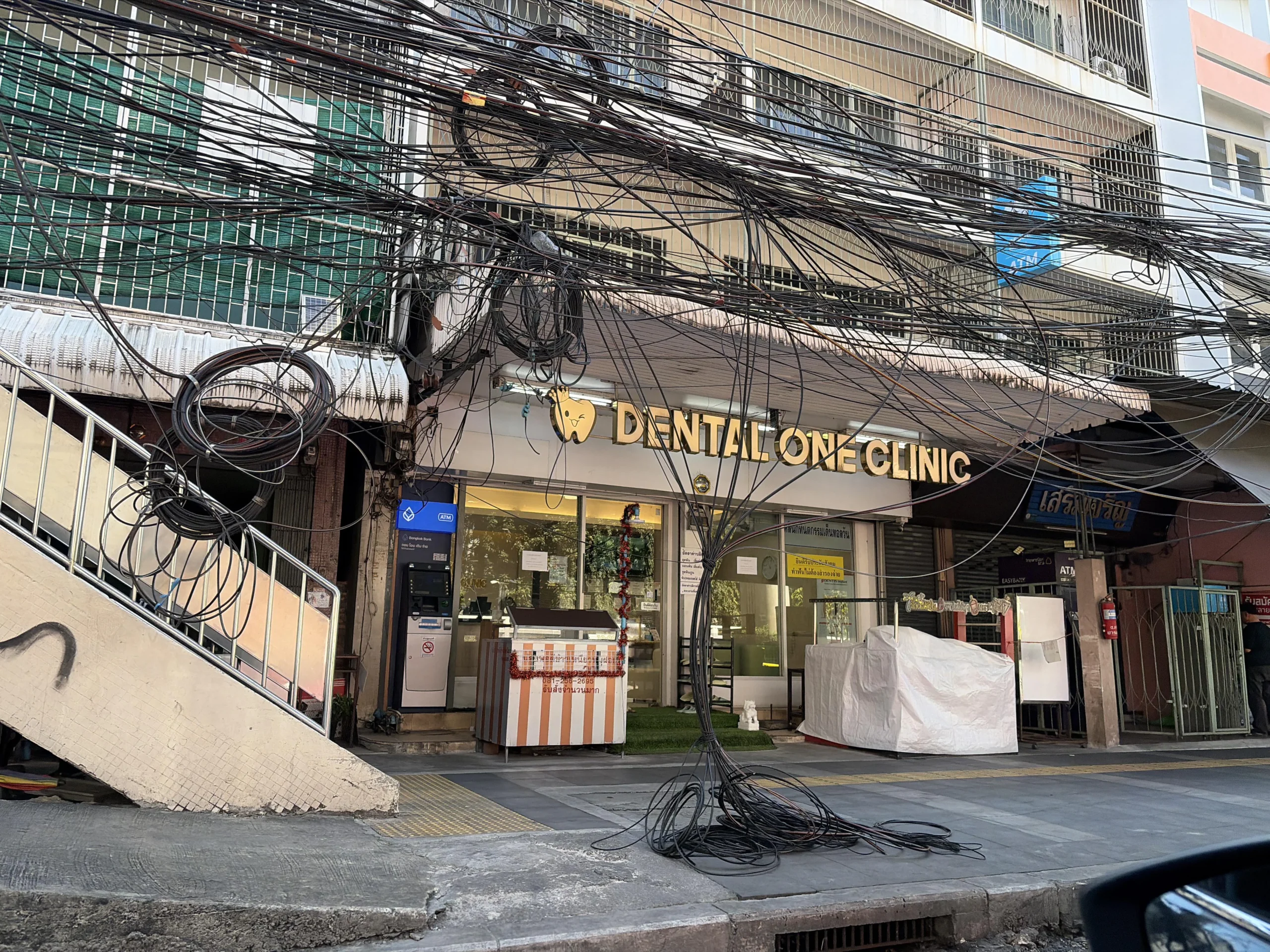









Local governments across Thailand are entering 2026 with growing maintenance backlogs on basics like roads, drainage, sidewalks, street lighting, and public facilities, as spending delays and tighter planning cycles leave less room for routine repairs, according to recent public finance reporting and policy analysis.
The issue isn’t a dramatic breakdown of services. It’s a quieter squeeze: many municipalities and local administrative organizations are still responding to day-to-day wear and tear while waiting for budget disbursement timelines to catch up, and while juggling competing expectations to deliver visible new projects alongside ongoing upkeep. Over time, that can push routine maintenance further down the priority list—even when local residents feel the impact immediately.
In recent months, Thailand’s budget execution has been a recurring concern in economic and business coverage, with one report citing the National Economic and Social Development Council’s data showing investment budget spending remained below longer-term averages partway through the fiscal year. When investment budgets move slowly, the knock-on effects often show up locally: repair contracts get delayed, procurement windows tighten, and maintenance crews end up working in shorter bursts rather than through steady multi-month programs.
For local administrations, the practical consequence is that “small” fixes—patching damaged footpaths, clearing clogged drains, replacing broken streetlights, repairing school buildings, resurfacing short road segments—compete against larger capital plans and more complex procurement. Local officials can face pressure to prioritize work that is easier to demonstrate publicly, while maintenance work is often dispersed, repetitive, and less visible unless it fails.
Infrastructure specialists also point to a structural challenge: maintenance responsibilities in Thailand are spread across multiple layers of government and agencies, and the lines can become blurry on shared assets—especially where roads connect national routes to local networks, or where drainage and water infrastructure crosses administrative boundaries. Even when roles are clear, coordination can be slow, which tends to push problems into “temporary fix” territory rather than long-term rehabilitation.
Bangkok has its own version of the same tension. City-level planning has highlighted large infrastructure needs and resilience priorities, while day-to-day complaints from residents often focus on basic maintenance: streetlight outages, uneven sidewalks, recurring drainage problems in specific streets, and stalled upgrades that require coordination across departments and utilities. Outside Bangkok, the problem can be more acute because smaller local governments often have fewer technical staff and less flexibility to absorb cost spikes for materials, contractors, or equipment.
Contractors and maintenance operators say early-2026 planning is especially tricky because it sits at the intersection of budget calendars, procurement cycles, and holiday-period slowdowns. Even when budgets exist on paper, local execution depends on approvals, tender timing, and contractor availability. That can compress maintenance schedules into narrow windows—leading to rushed work, short-term patching, and repeated repairs on the same assets.
Policy observers warn that maintenance backlogs carry a hidden cost. Deferred upkeep can increase the eventual price of repairs, shorten asset lifespans, and raise risks related to safety and service reliability—particularly for roads, drainage systems, and public buildings. Over time, maintenance-heavy environments can also reduce public confidence, because residents experience the impact daily even when broader economic indicators look stable.
Thailand’s latest economic assessments have repeatedly emphasized productivity and public investment efficiency as long-term priorities. But maintenance often sits in the shadow of headline projects. It’s less politically rewarding, harder to brand, and often more complex to manage. That mismatch is one reason maintenance backlogs can persist even in periods when overall public spending is substantial.
For now, local governments appear to be trying to balance three realities at once: residents want quicker fixes, administrative processes move slowly, and budgets must cover both visible development and routine upkeep. If disbursement and procurement processes tighten in early 2026, many local administrations may be able to chip away at the backlog. If not, the risk is a familiar cycle—temporary fixes, repeated repairs, and a growing list of issues that never quite gets cleared.