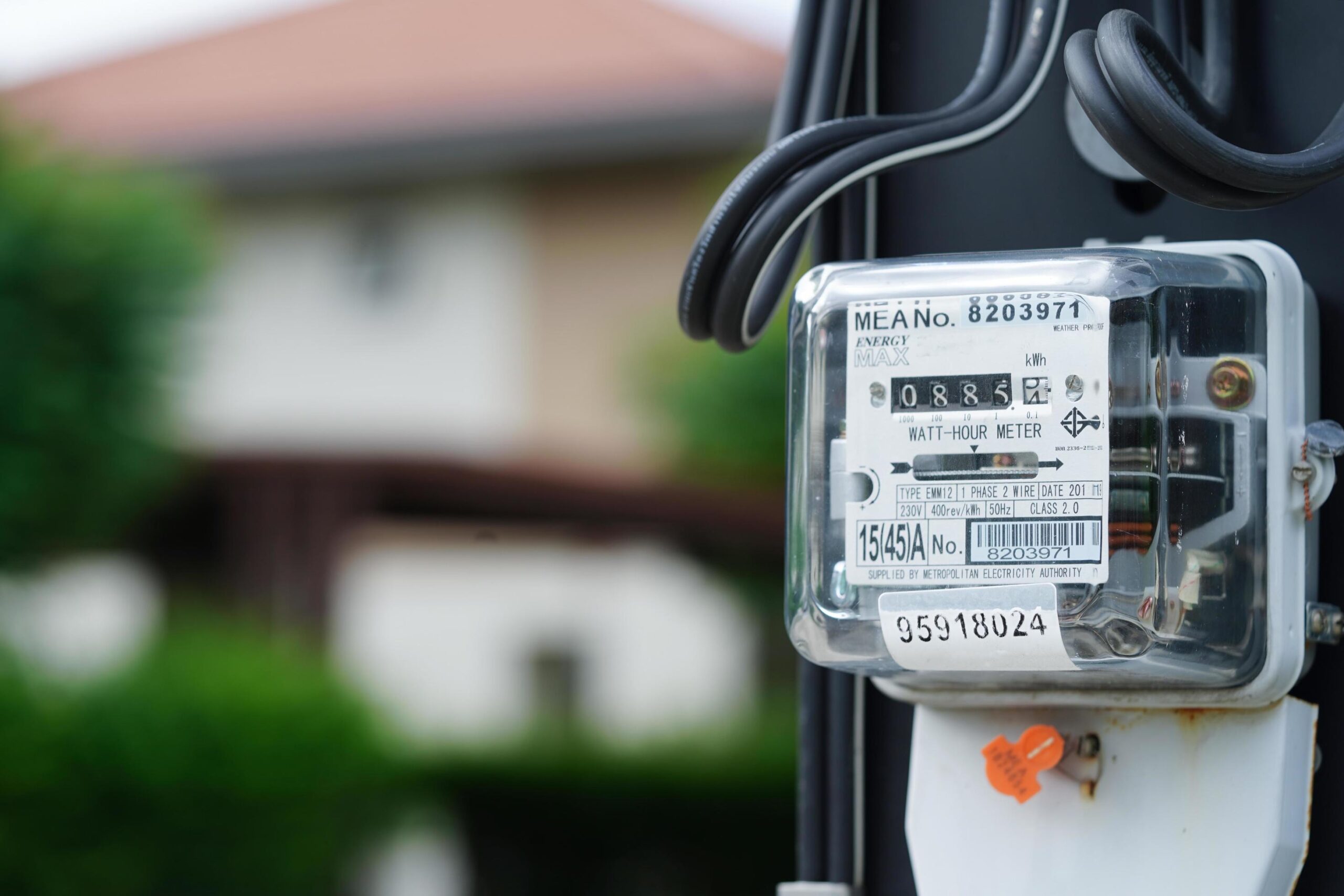









Bangkok residents are voicing frustration after receiving January utility bills that many say are higher than expected, reigniting concerns about household costs as the city settles back into routine after the New Year holiday.
Complaints have surfaced across social media and local community forums, with residents pointing to electricity, water, and condominium common-area fees that appear elevated compared with previous months. While no broad tariff increase has been announced, the timing and scale of the bills have raised questions among households already sensitive to living costs.
Electricity authorities and property managers say several factors may be contributing. Higher usage during the year-end holiday period, combined with billing cycles that extend into January, can result in unexpectedly large statements. In condominiums, management offices have also cited rising service and maintenance expenses that are often passed on at the start of a new year.
Some residents report confusion over how charges were calculated, particularly in buildings where common-area electricity and water usage is shared. Others say they were surprised to see higher bills despite making efforts to conserve energy during the cooler season.
Consumer advocates note that even modest increases can feel significant when budgets are already stretched. While headline inflation has eased compared with previous years, many households say wage growth has not kept pace with recurring expenses such as housing, utilities, and transportation.
Utility providers have emphasized that rates themselves have not been raised across the board, urging customers to review meter readings and usage patterns before assuming errors. Customers who suspect discrepancies are encouraged to contact providers or building management for clarification.
The issue has also highlighted broader concerns about transparency, particularly in condominiums where residents rely on management offices to break down shared costs. Some residents say clearer itemization and more proactive communication could help reduce confusion and mistrust.
Energy analysts say seasonal fluctuations are common, but they acknowledge that public sensitivity is high. Electricity costs, in particular, remain a politically and socially sensitive topic, given their direct impact on household budgets and small businesses.
In recent years, authorities have promoted energy efficiency and conservation, but residents say such measures offer limited relief when baseline costs remain high. For lower-income households and retirees, utility bills represent a fixed expense that leaves little room for adjustment.
City officials have not indicated any immediate intervention, but consumer groups are calling for closer monitoring and clearer explanations when billing patterns change. They argue that confidence in public utilities depends not only on price stability, but also on transparency and responsiveness.
As Bangkok residents adjust to post-holiday routines, the reaction to January utility bills underscores persistent anxieties about everyday expenses. Even without formal rate hikes, fluctuations in essential costs continue to shape how households assess their financial security at the start of 2026.