









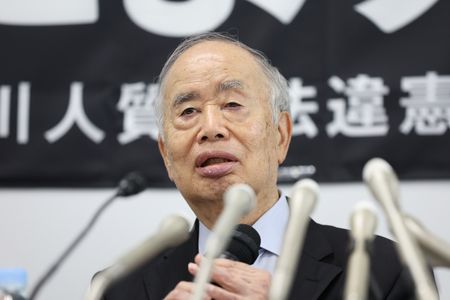
A Japanese court has found the former chairman of Kadokawa guilty in a high-profile bribery case, a verdict that reinforces growing scrutiny of corporate governance in Japan and sends a signal to business leaders across the region.
The case has drawn sustained attention due to Kadokawa’s prominence in Japan’s media and publishing industry, as well as the broader implications for how corporate misconduct is handled. Prosecutors argued that the former executive engaged in improper financial arrangements linked to business dealings, a claim the court ultimately upheld.
The ruling comes amid a wider push in Japan to strengthen governance standards and restore public trust following a series of corporate scandals over the past decade. Authorities have increasingly emphasized accountability at the highest levels of management, signaling that senior executives are not immune from legal consequences.
For Japan’s corporate sector, the verdict reinforces expectations that compliance failures and ethical lapses will face tougher responses. While corporate reforms have progressed unevenly, enforcement actions have become more visible, reflecting pressure from regulators, investors, and the public.
Kadokawa itself occupies a significant position in Japan’s cultural economy, spanning publishing, film, animation, and digital media. As such, the case has extended beyond the company to raise broader questions about oversight, internal controls, and the relationship between corporate leaders and external partners.
The conviction may also influence how international investors perceive Japanese firms. Governance standards are increasingly central to investment decisions, particularly for institutional investors assessing long-term risk. Clear enforcement can strengthen confidence, even when individual cases expose serious misconduct.
Beyond Japan, the case carries regional relevance. Japanese companies maintain deep commercial ties across Asia, including in manufacturing, media distribution, and technology. Heightened scrutiny in Japan often shapes expectations for governance practices among subsidiaries and partners abroad.
Legal experts note that high-profile cases can serve as precedents, encouraging companies to tighten compliance frameworks and revisit executive oversight. While reforms alone cannot eliminate misconduct, consistent enforcement alters incentives and corporate culture over time.
For employees and shareholders, the verdict underscores the reputational and operational risks associated with governance failures. Media companies, in particular, face heightened expectations given their public-facing role and influence over cultural narratives.
As Japan continues to refine its corporate governance framework, the Kadokawa case stands as a reminder that accountability is becoming more than a policy goal. It reflects a legal environment in which enforcement is increasingly visible, and where corporate leadership is expected to align business ambition with ethical responsibility.
109
