








Thai authorities are urging foreign residents and visitors to remain cautious following a series of reported incidents involving alleged hair loss and hair regrowth treatment scams, with confirmed cases centered in Pattaya and widely circulated warnings within expat communities.
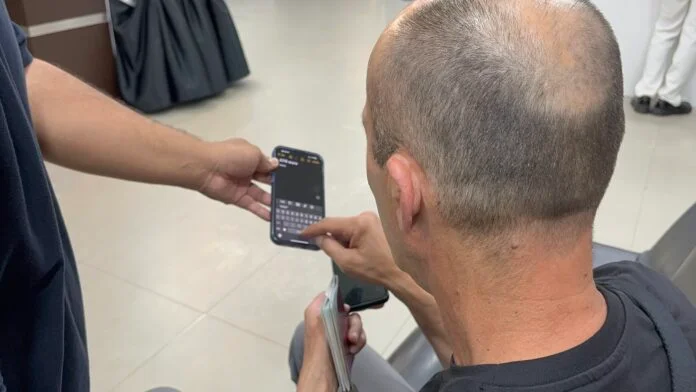
One of the most detailed reported cases involves a German industrial engineer who filed a formal complaint with Pattaya police in late December. According to local reporting, the man said he was approached in a public area and persuaded to purchase what was marketed as a “miracle” herbal hair regrowth treatment. He reportedly paid more than US$700 upfront after being told the product could reverse baldness. The complainant later said the treatment did not work as promised and believed he had been misled.
In a separate Pattaya case reported around the same period, another foreign visitor told police he paid approximately 22,000 baht for herbal hair regrowth products following a similar pitch. According to media coverage, the buyer alleged the sales approach relied heavily on persuasion and urgency, with claims that immediate treatment was necessary to avoid worsening hair loss. The complainant later said the product did not deliver the results described.
These cases have drawn attention because they were formally reported to police and documented by multiple local outlets, rather than circulating solely as online anecdotes. Authorities have not announced a nationwide enforcement campaign, but officials have used the Pattaya complaints to warn the public about pressure-based sales tactics, particularly those targeting tourists and foreigners unfamiliar with local consumer protections.
Beyond these confirmed reports, similar patterns have been discussed widely in expat forums and social media groups. While online accounts alone are not evidence of criminal activity, officials say repeated descriptions of the same approach — unsolicited contact, a sudden diagnosis, and demands for immediate payment — are consistent with known scam behaviors. Police caution that scammers often rely on embarrassment and confusion to discourage victims from reporting incidents.
Authorities emphasize that Thailand has many licensed and legitimate medical and cosmetic clinics, including hair treatment providers. However, consumers are advised to be wary of businesses that approach customers unsolicited, offer free examinations in public spaces, refuse to provide written pricing, or guarantee results. Medical professionals note that legitimate treatments rarely promise immediate or universal success.
Police also warn against making on-the-spot payments, especially in cash, and urge consumers to take time to verify clinic credentials. For foreigners, language barriers and unfamiliarity with complaint procedures can increase vulnerability. Officials say anyone who believes they were misled should file a formal police report, even if the amount lost seems relatively small.
Authorities stress that awareness remains the most effective prevention tool. By slowing down interactions, refusing immediate commitments, and checking licenses independently, consumers can reduce their risk of being targeted.
The Pattaya cases serve as a reminder that scams in Thailand are not limited to online spaces and that face-to-face approaches, particularly in tourist-heavy areas, can carry significant financial risk.