









Thailand has moved to simplify and expand its visa system in a reform package that could significantly impact tourists, remote workers, students, and long-stay visitors throughout 2026.
The Thai Cabinet this week formally acknowledged and reaffirmed updates to the country’s immigration framework, consolidating measures introduced over the past two years and reinforcing the government’s focus on tourism and international mobility.
The headline change is the expansion of visa-free entry. Citizens of 93 countries can now enter Thailand without applying in advance and stay for up to 60 days. In many cases, visitors can extend that stay by an additional 30 days at a local immigration office. For many travelers, this effectively allows a stay of up to 90 days without the need for a traditional tourist visa.
Officials say the aim is straightforward: encourage longer stays and higher visitor spending at a time when regional competition for travelers is intensifying.
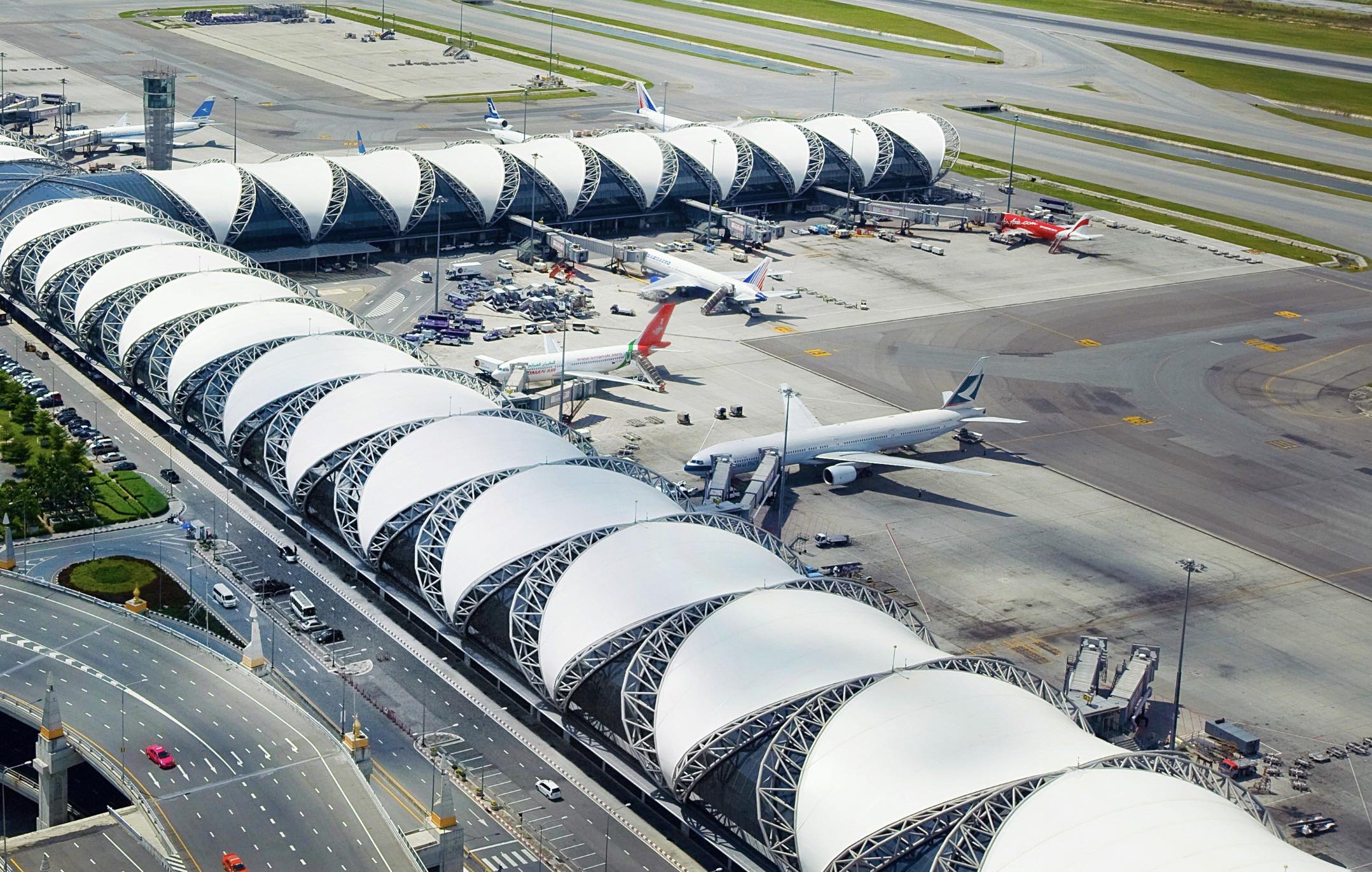
The new 2026 visa reform has been announced
The electronic visa system has also been strengthened. Thailand’s e-Visa platform is now accessible through a broad network of embassies and consulates, allowing applicants to submit documentation online before traveling. The shift reduces paperwork, shortens processing times, and eases congestion at immigration checkpoints.
One of the most talked-about additions is the Destination Thailand Visa, known as the DTV. This visa category is designed for digital nomads, remote employees, freelancers, and individuals participating in structured cultural programs such as Muay Thai training or Thai culinary courses.
The DTV acknowledges a global shift in work patterns. With remote employment now mainstream in many industries, Thailand is positioning itself as a viable base for location-independent professionals who want longer stays without operating in a legal grey area.
Student visa rules have also been adjusted. The new ED Plus framework allows certain international students to work part-time while studying. Education authorities see this as a step toward strengthening Thailand’s competitiveness as a regional study destination.
In addition, non-immigrant visa categories have been streamlined. By reducing overlap and clarifying classifications, the government aims to make applications more straightforward for business travelers, retirees, and long-term residents.
All incoming travelers must now complete the Thailand Digital Arrival Card online before entry. The digital system replaces the former paper-based arrival form and is intended to speed up processing while improving border data management.
The economic reasoning behind these reforms is clear. Tourism remains one of Thailand’s most important economic drivers, contributing substantially to GDP and employment. While visitor numbers have rebounded in recent years, policymakers are focused on increasing average stay duration and attracting higher-spending segments.
Longer visa-free stays encourage travelers to base themselves in Thailand for extended periods, particularly remote workers and seasonal visitors. Industry analysts note that visitors who stay longer tend to spend more on accommodation, dining, healthcare, coworking spaces, and local services.
The introduction of the DTV also places Thailand in more direct competition with other Asian destinations that have already formalized digital nomad programs. With strong infrastructure, established expat communities, and competitive living costs, Thailand is seeking to consolidate its appeal.
For international students, the ability to work part-time could make Thai institutions more attractive compared to regional alternatives.
While the reforms simplify many aspects of entry, travelers are still advised to check eligibility under the updated visa-free list and confirm extension rules before arrival. Immigration authorities retain discretion at border checkpoints, and documentation such as proof of funds or onward travel may still be requested.
Taken together, the 2026 visa updates reflect a broader strategy rather than a single policy adjustment. Thailand is aiming to reduce friction, modernize immigration procedures, and align its entry system with evolving global mobility trends.
In a region where travel and talent competition is accelerating, the reforms signal that Thailand intends to remain at the forefront of accessibility and international engagement.
