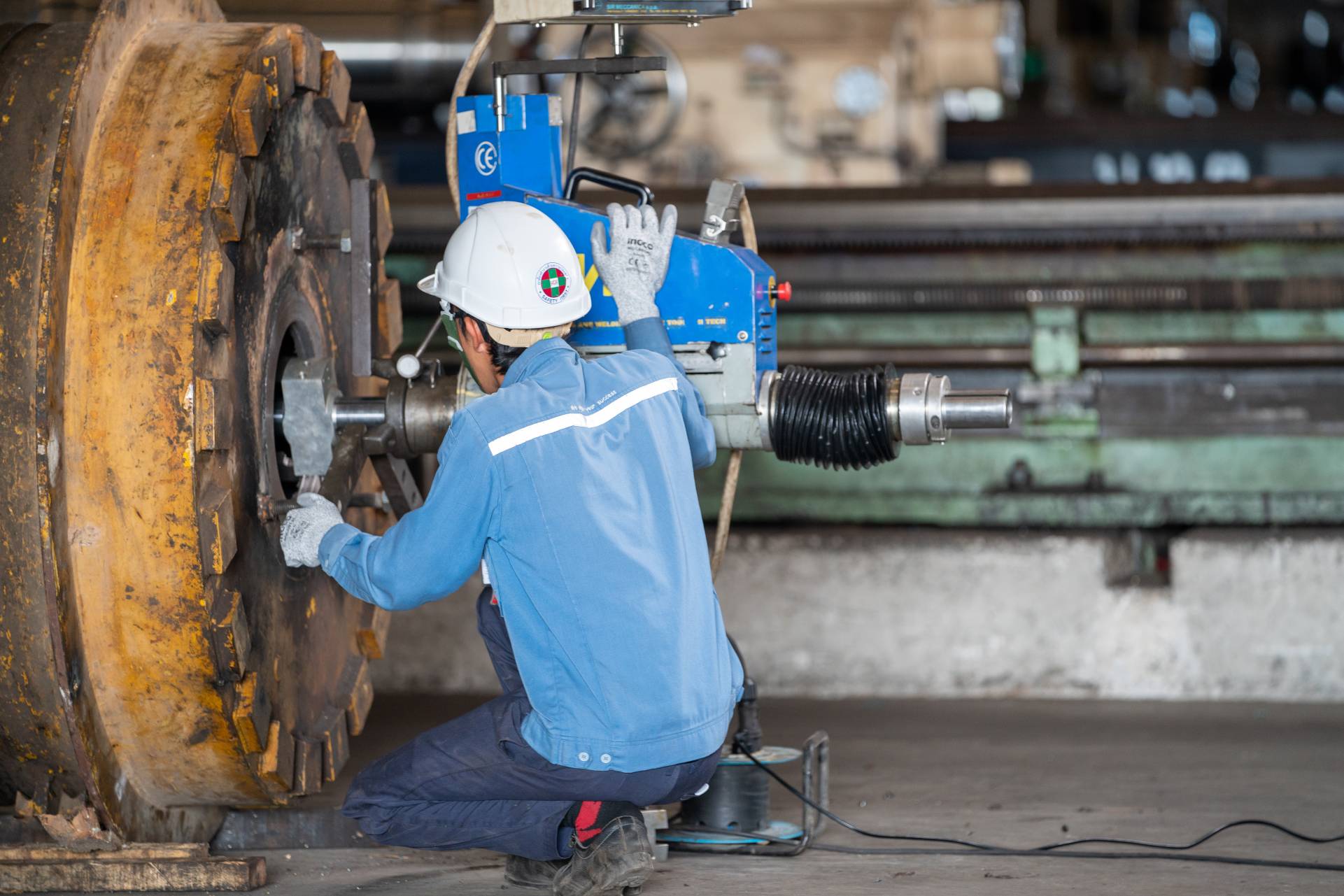









Manufacturers across Thailand are reporting rising maintenance and repair costs as imports of industrial machinery and replacement parts slow, adding another layer of pressure for factories heading into 2026, according to recent industry reporting and trade data commentary.
While production has not stalled outright, factory operators say delays in sourcing new equipment and spare parts are forcing businesses to keep older machinery running longer than planned. As a result, maintenance budgets are expanding, unplanned downtime risks are increasing, and efficiency gains are becoming harder to achieve, particularly for small and mid-sized manufacturers.
Industry publications and manufacturing associations note that imports of certain categories of industrial machinery softened in the second half of 2025, reflecting weaker investment appetite and higher financing costs. In response, many firms have postponed capital upgrades and shifted resources toward repairs, retrofits, and component replacements instead.
Plant managers interviewed by local business media say the strategy is workable in the short term but increasingly costly over time. Older machines require more frequent servicing, consume more energy, and are more vulnerable to breakdowns, all of which push up operating expenses. For export-oriented manufacturers, these pressures are compounded by tight delivery schedules and rising competition from regional peers.
The impact is uneven across sectors. Food processing, packaging, and metalworking firms appear particularly exposed, as their equipment is often imported and highly specialized. Electronics manufacturers, by contrast, report greater access to regional supply chains but still face higher costs for precision components and technical servicing.
Trade analysts say the slowdown in machinery imports does not reflect a collapse in manufacturing demand but rather a pause in long-term investment decisions. Uncertainty over global demand, exchange-rate volatility, and domestic cost pressures have made companies more cautious about committing to large capital expenditures ahead of clearer signals in 2026.
Local equipment distributors and maintenance providers have seen increased demand as factories seek to extend the lifespan of existing assets. Some service firms report stronger order books for refurbishment and preventive maintenance contracts, suggesting that manufacturers are prioritizing reliability over expansion for now.
However, industry observers warn that prolonged underinvestment could eventually weigh on productivity. Delaying upgrades may help preserve cash flow in the short term, but it can leave firms less competitive if regional rivals move ahead with newer, more efficient technology once conditions improve.
Government agencies have not announced new measures specific to machinery investment, but officials have previously emphasized the importance of productivity upgrades for Thailand’s industrial base. Analysts say targeted incentives or easier access to financing could help firms resume equipment investment if confidence improves.
For now, manufacturers appear to be navigating a holding pattern: keeping production lines moving, controlling costs where possible, and waiting for clearer signals before committing to major upgrades. Whether maintenance-heavy strategies remain viable will depend largely on how quickly demand and financing conditions stabilize in the year ahead.