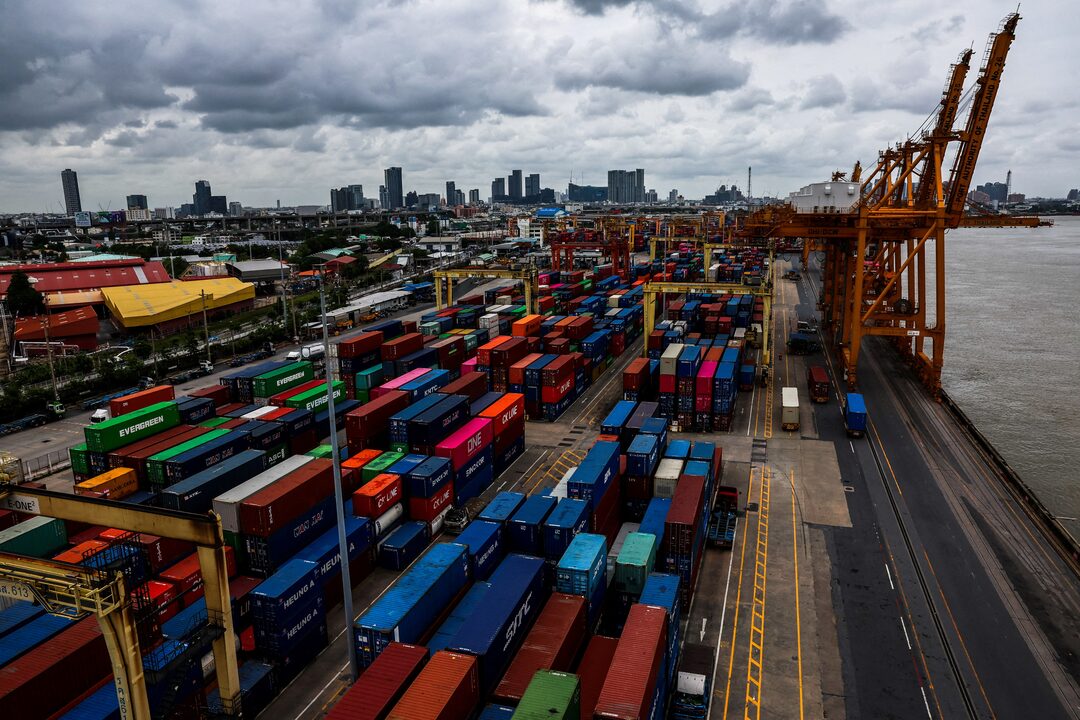









Logistics operators in Thailand are warning of possible delivery delays in January as port congestion, warehouse capacity constraints, and staffing pressures converge ahead of the New Year, according to recent industry reporting and freight-sector commentary.
Shipping agents and transport companies say the situation does not amount to a disruption crisis, but conditions are tightening enough that businesses reliant on time-sensitive deliveries may face longer lead times than usual in the opening weeks of 2026. The pressure is being felt most acutely in container handling, inland trucking, and storage availability around major ports and industrial zones.
Industry sources cited by Thai business media point to a year-end accumulation of cargo, combined with cautious unloading schedules and slower warehouse turnover. Many importers have delayed clearing goods until after the holidays, while logistics firms report limited flexibility to absorb the backlog once operations resume at full pace in January.
Warehouse operators say occupancy rates remain elevated, particularly for facilities serving consumer goods, industrial inputs, and e-commerce fulfillment. Some companies have opted to hold inventory longer than planned due to uncertainty over demand, reducing available space for incoming shipments and complicating logistics planning.
Port operators and freight forwarders note that staffing patterns also play a role. Holiday leave schedules and a tighter labor market for truck drivers and warehouse workers have reduced operational capacity at a time when volumes typically rebound. While firms expect staffing levels to normalize later in January, the initial post-holiday period is seen as a bottleneck risk.
Logistics associations stress that the current challenges are largely operational rather than structural. There have been no reports of port closures or regulatory slowdowns, and customs clearance processes remain in place. However, limited slack in the system means even modest delays can cascade through supply chains, particularly for small and medium-sized businesses with less flexibility.
Retailers and manufacturers dependent on just-in-time delivery models are among those most exposed. Industry advisers warn that businesses with thin inventory buffers may experience knock-on effects, including delayed production runs or slower restocking of shelves if shipments do not arrive as scheduled.
Analysts say the situation highlights how logistics pressures can persist even without a surge in trade volumes. Elevated costs, cautious inventory strategies, and labor constraints have reduced the system’s ability to quickly absorb fluctuations, making early January a sensitive period for supply chains.
Government agencies have not issued formal advisories, but officials have previously acknowledged capacity challenges in logistics infrastructure and emphasized the need for longer-term investment in warehousing and transport efficiency. For now, companies are being advised to communicate closely with logistics providers and build extra time into delivery schedules where possible.
As Thailand enters 2026, logistics firms say conditions are expected to ease gradually once holiday backlogs are cleared. Until then, businesses are being urged to plan conservatively, particularly for imports and deliveries scheduled for the first half of January.