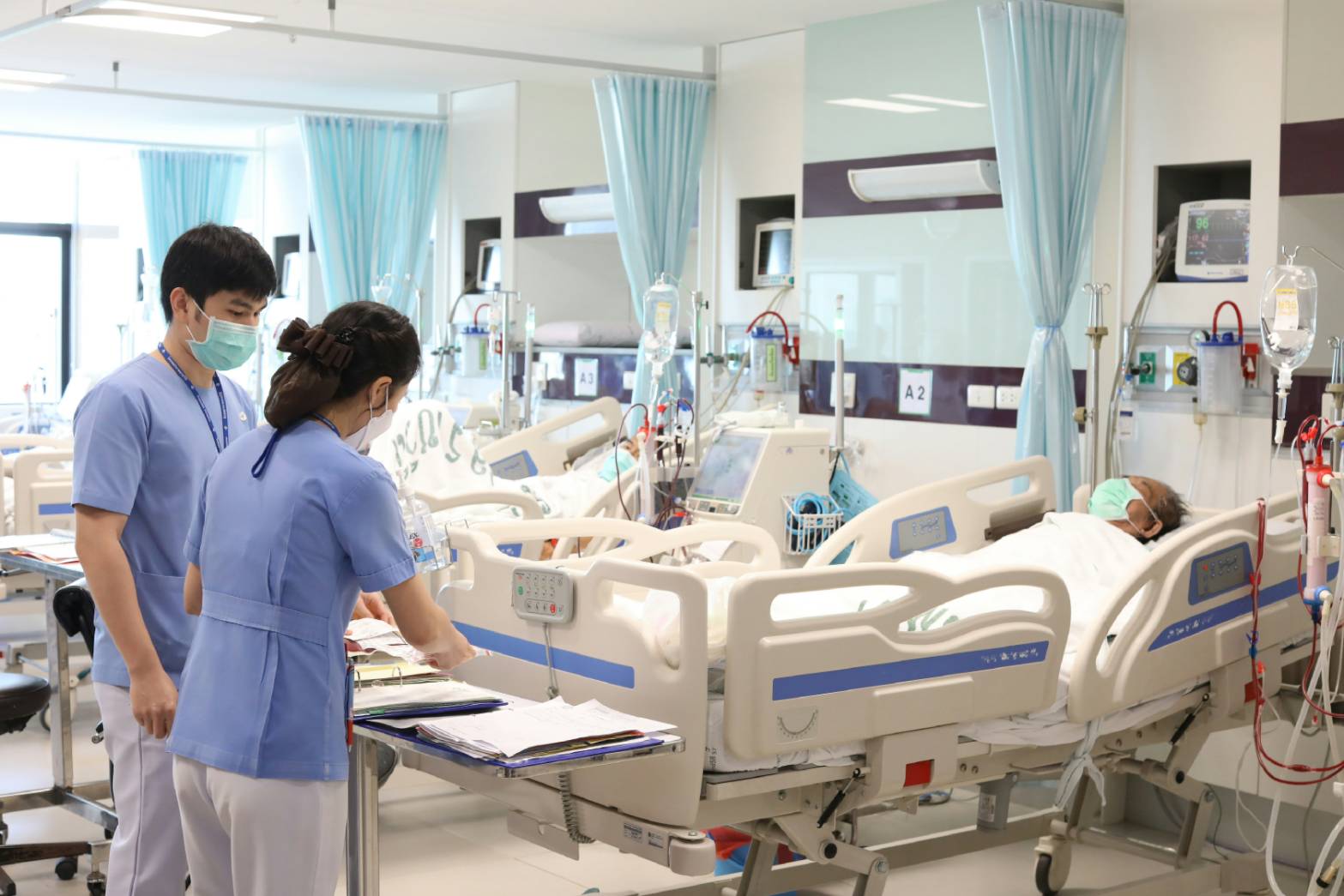









Private hospitals across Thailand are reassessing staffing and scheduling models after relying heavily on overtime and temporary arrangements throughout much of 2025, according to recent healthcare industry reporting and hospital management commentary.
Hospital administrators say the review is not driven by an immediate staffing crisis but by concerns over sustainability. Extended overtime, particularly among nurses, technicians, and support staff, has helped facilities manage fluctuating patient volumes, but it has also increased fatigue risks and operating costs heading into 2026.
Healthcare trade publications and interviews with hospital executives indicate that many private providers are now weighing whether to expand permanent staffing, adjust shift structures, or continue using flexible labor models. Rising wage expectations and competition for skilled healthcare workers have made long-term hiring decisions more complex, especially for mid-sized hospitals outside major urban centers.
Several hospital operators cited by local media say overtime became a default solution during periods of high patient demand in 2025, including seasonal illness spikes and medical tourism rebounds. While the approach offered short-term flexibility, it also led to higher payroll expenses and uneven workloads across departments.
Industry analysts note that private hospitals face a delicate balance. Increasing permanent headcount improves staff stability but raises fixed costs, while continued reliance on overtime and contract staff can strain morale and retention. Some hospital groups are now piloting hybrid models that combine core staffing increases with capped overtime and more predictable scheduling.
Nursing associations and healthcare labor groups have previously warned that prolonged overtime can contribute to burnout, even when compensation is competitive. While there have been no reports of widespread resignations, hospital administrators acknowledge that staff well-being has become a growing management concern.
At the same time, hospitals must consider patient expectations and service quality. Analysts say staffing adjustments are increasingly viewed not just as a cost issue, but as a factor in patient safety, wait times, and overall care standards. Facilities that fail to stabilize staffing may face reputational risks in a competitive healthcare market.
The Ministry of Public Health has not issued new directives specific to private hospital staffing, but officials have emphasized workforce resilience as a broader health system priority. Observers say private providers are likely to act independently rather than wait for regulatory guidance, given competitive pressures and patient demand.
For now, most hospitals appear to be in assessment mode rather than executing major changes. Decisions made in early 2026 are expected to shape how the private healthcare sector balances cost control with workforce sustainability in the coming year.