








US Waste Shipments Expose Major Smuggling Scandal in Thailand
Thailand has uncovered a suspected international waste-smuggling network involving shipments from the United States, after inspections at Laem Chabang Port revealed electronic waste concealed inside containers declared as recyclable aluminum scrap. The discovery has triggered a wider investigation into hundreds of suspicious shipments, potentially corrupt officials, and businesses accused of exploiting Thailand’s recycling industry to move restricted materials across international borders.
The investigation comes as Thailand reports seizing approximately 9,670 metric tons of illegally imported waste worth more than 234 million baht over an 11-month period. Although those figures represent nationwide seizures from multiple countries rather than exclusively American shipments, the discovery of concealed electronic waste in US-origin cargo has placed the international waste trade under renewed scrutiny.
At the center of the case are seven US exporting companies and 16 Thai importing companies linked to an investigation covering approximately 825 suspicious shipping containers. Authorities have already identified violations involving 151 containers, raising serious questions about how restricted materials entered Thailand, where they were ultimately delivered, and whether the country is being used as a dumping ground for industrial waste that other nations do not want to process.
Electronic Waste Hidden Inside American Shipments
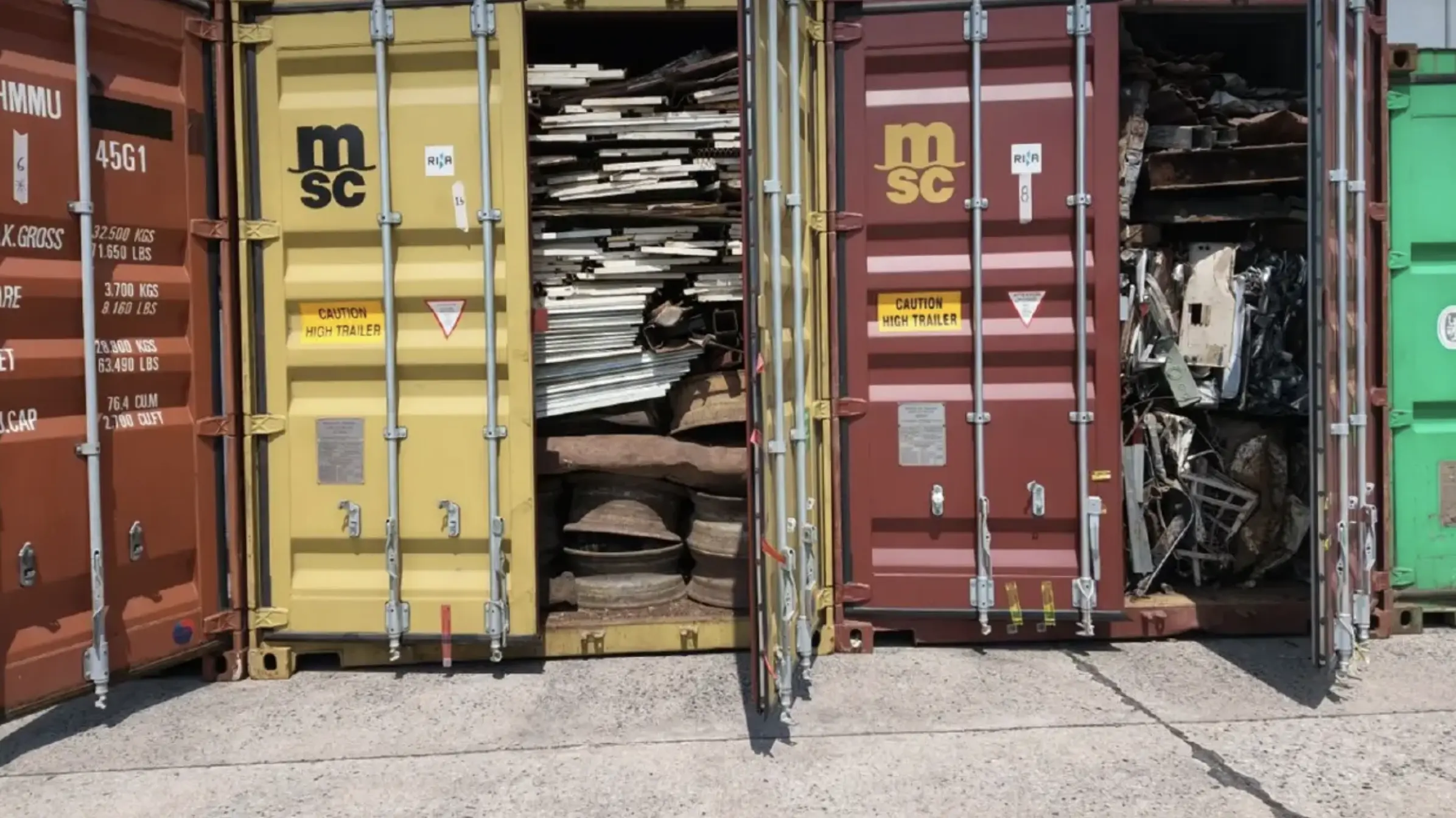
The investigation gained momentum following inspections at Laem Chabang Port in Chonburi, one of Thailand’s most important international shipping gateways. Acting on intelligence concerning suspicious waste exports from the United States, Thai authorities examined cargo containers that had been declared as aluminum scrap and other recyclable industrial materials. What they discovered raised concerns about deliberate attempts to bypass the country’s restrictions on hazardous waste imports.
Six containers originating from the United States were found to contain discarded electronic circuit boards mixed with aluminum scrap. The shipments had been declared as aluminum waste, but the electronic materials discovered inside required different regulatory treatment. Their presence raised concerns that restricted electronic waste had been concealed within otherwise legitimate recycling cargo, potentially allowing it to move through customs under misleading documentation.
The findings prompted investigators to expand their examination beyond the initial shipments. Approximately 825 containers have been identified for further scrutiny, with shipping records linking the suspected network to seven exporters in the United States and 16 importers in Thailand. Authorities have identified violations involving 151 containers, although they have stressed that the remaining shipments and companies under investigation cannot automatically be considered guilty of wrongdoing.
The case highlights a significant weakness in international recycling supply chains. While scrap aluminum and other recoverable metals are routinely traded across borders, hazardous electronic waste is subject to stricter controls because of the environmental and health risks associated with improper processing. Mixing the two categories can make dangerous materials harder to detect, particularly when shipments are packed tightly or contain large quantities of metal.
Nearly 10,000 Tons of Waste Seized Across Thailand
The latest investigation comes against the backdrop of a much larger enforcement campaign. On October 27, Thailand reported that customs authorities had intercepted approximately 9,670 tons of illegally imported waste between October 2025 and August 2026, representing 187 environmental enforcement cases with a combined declared value exceeding 234.4 million baht.
The seized materials included approximately 6,600 tons of hazardous waste, 2,700 tons of electronic waste, and more than 300 tons of plastic scrap. These figures illustrate the scale of illegal waste imports reaching Thailand’s ports, although they cover nationwide enforcement operations and should not be interpreted as the quantity of waste imported from the United States alone.
The problem extends beyond the volume of materials entering the country. Thailand’s expanding industrial and recycling sectors create demand for imported scrap, but that legitimate market also presents opportunities for businesses seeking to disguise restricted waste as materials intended for lawful recycling. Once cargo clears customs and enters domestic transport networks, tracing its final destination can become considerably more difficult.
Thai authorities intensified inspections at Laem Chabang on October 26, detaining and opening another 15 suspicious containers for examination. Officials acknowledged that conventional cargo screening may not always distinguish electronic components from ordinary scrap metal, making detailed physical inspections and closer examination of shipping records necessary. Investigators are also reviewing previous shipments associated with businesses considered potentially involved in illegal imports.
The scale of the operation suggests that intercepting individual containers will not be enough to resolve the problem. Investigators must establish whether the cargo was deliberately misdeclared, identify the companies responsible for arranging the shipments, and determine whether prohibited materials have already reached recycling facilities elsewhere in Thailand.
Corruption Allegations Deepen the Investigation
The investigation has also raised questions about potential corruption within the systems responsible for regulating international cargo. Thai authorities are examining allegations that officials may have helped facilitate illegal waste imports, including suspicions involving improper payments and failures to enforce customs procedures.
The allegations have expanded the focus of the investigation from the physical contents of shipping containers to the businesses, financial transactions, and individuals connected to their movement. Investigators are examining documentation to determine whether suspicious imports were isolated violations or part of a coordinated operation involving exporters, importers, intermediaries, and potentially compromised officials.
Officials have indicated that companies found responsible could face criminal proceedings, while evidence of organized financial misconduct could lead to further investigations into associated transactions and assets. Illegal shipments may also be returned to their countries of origin, with importers required to bear the costs where the law permits.
However, the presence of a company on an investigative list does not establish criminal responsibility. Authorities have emphasized that findings must be based on evidence, with individual shipments and businesses assessed according to their specific circumstances.
The possibility of corruption is particularly concerning because customs enforcement represents one of Thailand’s first defenses against prohibited materials entering the country. If documentation can be manipulated or inspections improperly bypassed, illegal waste may reach industrial facilities long before authorities discover that a shipment was unlawful.
The Environmental Consequences Could Be Severe
Beyond suspected customs violations, the investigation raises serious concerns about the environmental consequences of improperly handled electronic waste. Discarded circuit boards, electrical components, batteries, and other electronic materials can contain hazardous substances that require specialized treatment and disposal. When processed in unlicensed or poorly regulated facilities, these materials can expose workers and surrounding communities to dangerous contaminants.
Electronic waste may contain substances such as lead, mercury, and cadmium, depending on the materials involved. Unsafe dismantling, burning, or chemical processing can release harmful residues into the environment, potentially contaminating soil, waterways, and nearby residential areas. The health consequences can extend beyond factory employees to families living near waste-processing facilities, particularly when pollution is allowed to accumulate over time.
These concerns are especially relevant in Thailand, where industrial pollution and improper waste management have already created serious problems in several provinces. Rayong and Prachin Buri have faced scrutiny over waste-related environmental incidents, while recent flooding has highlighted the danger of contaminated materials escaping industrial sites and entering surrounding communities.
The current investigation has not established that every suspicious shipment caused environmental damage. Nevertheless, the possibility that hazardous materials could be diverted into poorly regulated recycling operations makes identifying their destinations a major priority.
The economic consequences can also be substantial. Illegal waste processing may generate profits for businesses that avoid proper disposal costs, while contaminated land, damaged waterways, and potential health problems create expenses for communities and authorities. Those costs can persist long after the original shipments have been processed or moved elsewhere.
Thailand Expands Its Crackdown on Illegal Waste
Thailand is now moving to strengthen its response through more extensive inspections, tighter controls on suspicious imports, and investigations into businesses operating within the waste-processing industry. Officials have warned that illegal shipments could be returned to their countries of origin, while companies found responsible may face prosecution and restrictions on future imports.
The government’s approach increasingly focuses on tracing materials throughout the supply chain rather than concentrating exclusively on what happens at shipping ports. Investigators want to establish whether imported cargo reaches the facilities identified in customs documents, whether those businesses hold the appropriate licenses, and whether the materials are processed in accordance with environmental regulations.
The wider effort comes as authorities prepare additional inspections targeting waste-related factories and recycling operations, particularly in industrial provinces where concerns about illegal waste processing have intensified.
For legitimate recycling businesses, stronger enforcement could help distinguish lawful industrial activity from operations that exploit gaps in regulation. For residents living near industrial facilities, the more immediate concern is whether authorities can identify dangerous materials before they contaminate surrounding communities.
Thailand’s challenge is complicated by the scale of international shipping. Thousands of containers pass through major ports, and inspecting every shipment in detail is neither practical nor efficient. Effective enforcement therefore depends on reliable intelligence, accurate documentation, targeted inspections, and the ability to track suspicious cargo after it leaves a port.
The latest discoveries have made those challenges increasingly difficult to ignore.
A Growing Test of Thailand’s Environmental Protection
The suspected smuggling network has exposed a broader problem facing countries involved in international recycling: valuable industrial materials and hazardous waste can sometimes move through the same trading channels, creating opportunities for businesses seeking to avoid strict disposal requirements.
Thailand’s industrial sector benefits from legitimate scrap imports, but the country also bears significant risks when prohibited materials are concealed within apparently lawful shipments. Without effective oversight, the financial benefits of recycling can be outweighed by environmental contamination, public-health concerns, and the cost of cleaning up illegally processed waste.
The discovery of US-origin electronic waste at Laem Chabang does not establish that the American government authorized the shipments or that every exporter and importer under investigation knowingly participated in illegal activity. It does, however, raise serious questions about how international waste shipments are documented, inspected, and regulated before potentially hazardous materials reach their destinations.
For Thailand, the next stage of the investigation will determine whether authorities can establish the full extent of the suspected network, trace the movement of illegal shipments, and identify those responsible for any criminal violations.
The outcome will also test the government’s ability to turn high-profile seizures into lasting improvements in environmental enforcement. Intercepting nearly 10,000 tons of waste is a significant enforcement result, but preventing future shipments will require sustained oversight across ports, businesses, and recycling facilities.
Thailand has already uncovered the scale of the problem. The bigger test now is whether it can stop foreign hazardous waste from entering the country, hold those responsible accountable, and protect communities from paying the environmental price.