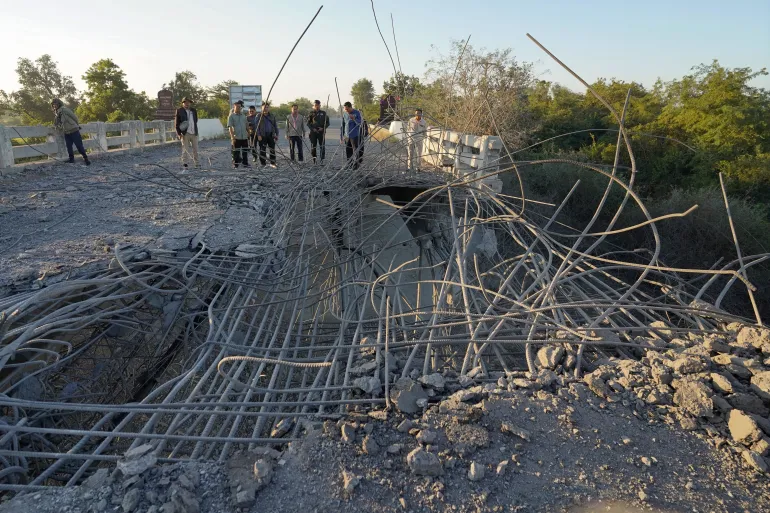









Diplomatic efforts to ease tensions between Thailand and Cambodia intensified this week as fighting along parts of the border continued, drawing increased attention from regional and global actors ahead of planned ASEAN discussions.
China has stepped up engagement with both sides, including a visit by its special envoy to Phnom Penh aimed at encouraging de-escalation, according to international reporting. The diplomatic activity comes as ASEAN prepares to address the situation, with member states watching closely for any opening toward a ceasefire or confidence-building measures.
The border conflict has affected communities near the frontier, prompting security measures and travel disruptions in some areas. Independent reporting has confirmed displacement of civilians and temporary closures at certain crossings, although daily life across most of Thailand remains unaffected. Thai authorities have repeatedly stressed that security measures are concentrated near border districts rather than nationwide.
Thailand has framed its response as defensive, emphasizing the protection of civilians and territorial integrity. Cambodian officials, meanwhile, have accused Thailand of escalation, highlighting the competing narratives that often emerge during active conflicts. In such situations, verification is challenging, and regional observers tend to rely on developments confirmed by multiple sources, such as curfews, border closures, and official diplomatic moves.
Beyond the immediate security impact, the conflict carries economic implications. Border trade routes are particularly sensitive, and any prolonged disruption could affect local economies dependent on cross-border commerce. Tourism operators are also monitoring the situation, wary that sustained fighting—even if geographically limited—could affect international travel perceptions if advisories expand.
Thailand has taken steps to assist its citizens affected by the conflict. Reuters reported that authorities were working to repatriate thousands of Thai nationals stranded near the Poipet crossing after disruptions linked to the fighting. Officials have urged residents and travelers to follow official guidance and avoid unnecessary travel near affected areas.
The involvement of external actors underscores the broader stakes. China’s diplomatic engagement reflects its interest in regional stability, while the United States has also signaled concern over the escalation. ASEAN’s role, though often cautious, remains central, as it provides a platform for dialogue among member states directly affected by the conflict.
For Thailand’s government, the situation presents both a security and political challenge. Border disputes can quickly become national issues, shaping public confidence and government credibility, particularly if civilian harm increases or economic costs mount. Officials have sought to balance firmness on security with reassurance that the conflict is geographically contained.
Analysts say the coming days will be critical. ASEAN talks could provide an opportunity for de-escalation, but outcomes depend heavily on the willingness of both sides to engage and compromise. Even a temporary reduction in hostilities would ease humanitarian pressures and reduce the risk of miscalculation.
Until then, uncertainty remains for communities near the border. While most of Thailand continues normal activity, the situation serves as a reminder of how quickly localized conflicts can ripple outward, affecting diplomacy, trade, and public confidence.