








Thailand’s road freight industry is under severe pressure as a Middle East-driven energy crisis pushes diesel prices to record highs, sending logistics costs surging and cutting transport volumes by as much as 20 percent compared with a year ago, according to the Land Transport Federation of Thailand.
The federation, which represents 136 transport associations nationwide, says demand for freight and logistics services has fallen 15 to 20 percent year-on-year, with agriculture and construction taking the worst of the hit. Diesel — which accounts for roughly half of a typical truck operator’s total running costs — hit 40 baht per litre on April 1 and climbed again to 50 baht per litre just five days later. Before the current crisis, it had been held near 30 baht per litre through government subsidies.
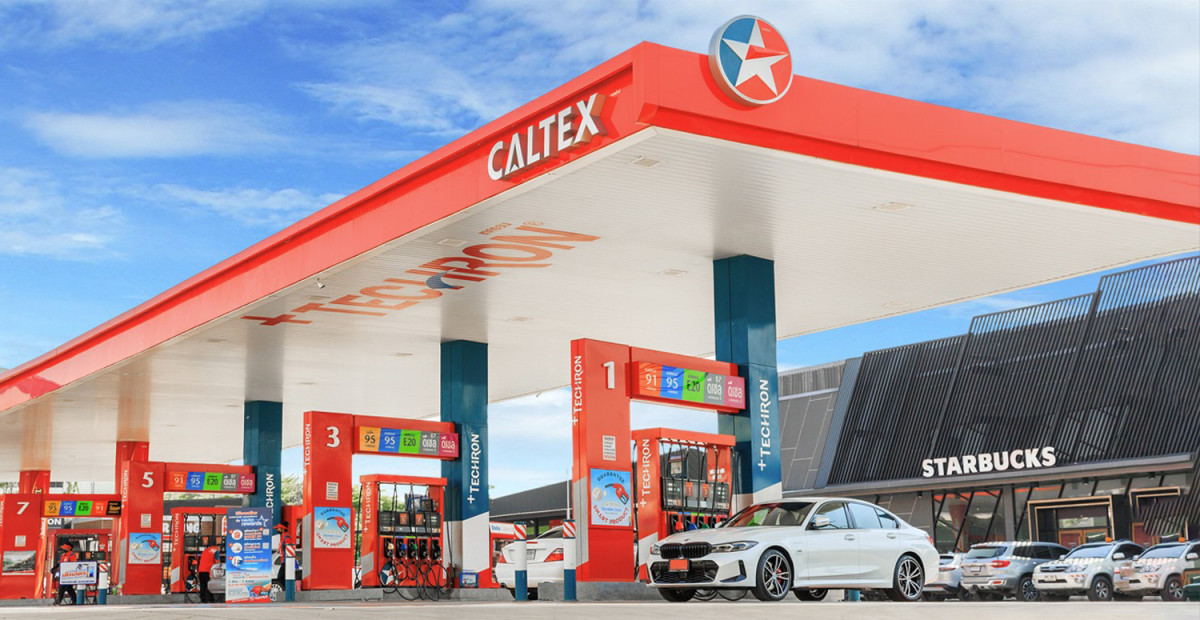
Thailand’s transport sector is being squeezed as a Middle East-driven oil shock sends diesel prices surging to 50 baht per litre, cutting freight demand by up to 20% and pushing the economy toward broader cost pressures and potential stagflation Photo Courtesy Bangkok Post
The root cause traces back to February 28, 2026, when the United States and Israel launched strikes against Iran, triggering an escalation that led to the closure of the Strait of Hormuz. The waterway carries approximately 20 percent of the world’s oil supply. Brent crude surged above $100 per barrel in the days that followed, peaking at $126 in early March, according to several news sources. Thailand’s government used the state Oil Fuel Fund to keep pump prices artificially cushioned for weeks, but by mid-March the fund had slipped more than 12 billion baht into deficit, and by April the pressure could no longer be fully contained.
For truckers, the diesel price is only part of the problem. Engine oil, lubricants, filters, and tyres have all risen between 20 and 25 percent since the crisis began. The federation formally raised freight rates by at least 10 percent starting April 1, with further increases possible depending on where fuel prices settle. Even so, many individual operators have held their commercial rates steady, unwilling to pass costs on to customers in a market where demand is already contracting.
The fallout is spreading well beyond the trucking sector. Economists at CIMB Thai Bank warn that rising transport and diesel costs are now feeding into the price of all goods, squeezing household budgets and forcing consumers to cut back on spending. That pullback creates a second wave of pressure on businesses already grappling with higher input costs. Small and medium-sized enterprises are the most exposed — they typically lack the liquidity or financial flexibility to absorb a prolonged cost shock, and they’re often unable to pass higher prices on to customers without losing them entirely.
Thailand’s state planning body, the Office of the National Economic and Social Development Council, has warned that if the conflict continues for three to five months, oil could remain in the $105 to $115 per barrel range — enough to tip the country toward stagflation, the damaging combination of weak growth and rising prices.
Major industrial players are already adapting. SCG, one of Thailand’s largest conglomerates, relies on Hormuz shipping routes for 50 to 60 percent of its raw materials and has halted production at its olefins plant in Rayong, shifting output to its Map Ta Phut facilities while diversifying supply sources. Global shipping lines have rerouted vessels around Africa’s Cape of Good Hope, adding 10 to 15 days to delivery times and significantly increasing costs for Thai exporters, particularly those serving European markets.
Thailand’s agricultural sector faces its own squeeze. The country imports 71 percent of its urea fertiliser from Saudi Arabia and Oman, and those supplies are tightening, threatening to raise cultivation costs heading into the next growing cycle.
The government says Thailand holds enough oil reserves for 96 to 104 days and is negotiating additional crude imports from Russia to reduce supply risk. It has tightened price controls on 59 categories of goods, with penalties of up to seven years in prison for profiteering or hoarding.
Economists say those measures can delay the pain but not remove it. For operators running Thailand’s trucks — and for the farms, factories, and households that depend on them — the crisis is already costing real money, and with no resolution to the conflict in sight, there’s no clear point at which the pressure lifts.