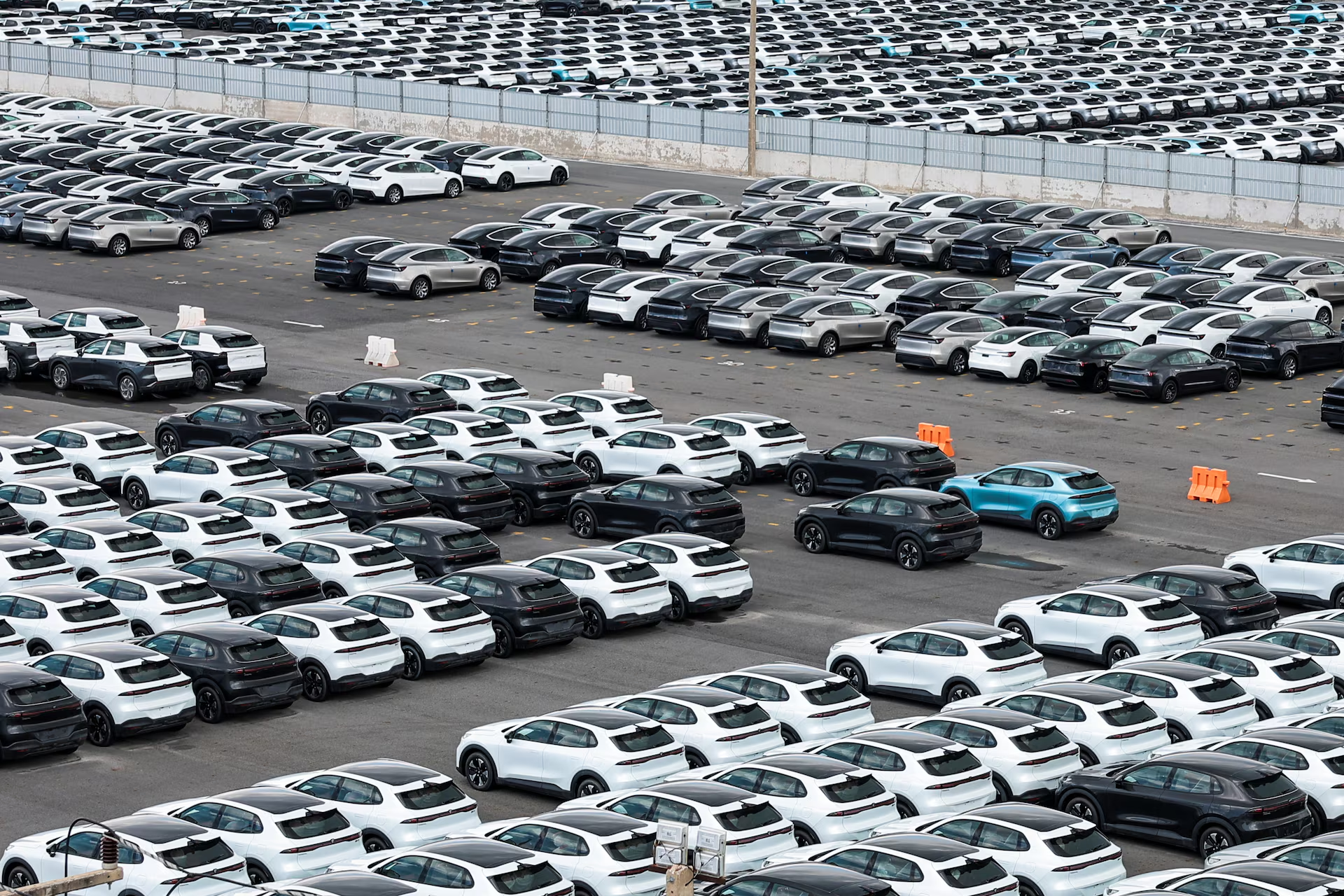








Thailand’s Cabinet on Tuesday approved raising the excise tax on fully imported electric vehicles to 35%, starting January 1, 2027. The goal is to push carmakers to build their cars in the country and protect Thai factory jobs. The decision, made at the Cabinet’s mobile meeting in Udon Thani, raises the rate on imported battery electric vehicles from 10% and on imported range extended electric vehicles from 15%.
Deputy Prime Minister and Finance Minister Ekniti Nitithanprapas announced the change after the meeting. The higher rate applies to electric vehicles that are built overseas and don’t use parts made in Thailand.
Battery electric vehicles run on battery power alone. Range extended electric vehicles, known in the industry as REEVs, use both fuel and electric power, but their wheels are driven only by electric motors.
Ekniti said the move is meant to strengthen Thailand’s role as a manufacturing and export hub and to protect the domestic auto supply chain, which employs large numbers of Thai workers. He said fast changes in the global car industry and a growing flow of imported vehicles had created uneven competition for manufacturers that already produce in Thailand.
The Cabinet also told the Excise Department to negotiate a separate set of lower tax rates for companies that make new investments in Thailand. Ekniti said several prospective investors have already approached the government about setting up or expanding production in the country.
Electric vehicles made in Thailand will keep their current 2% excise rate. However, the rules for import quotas haven’t been finalized yet, according to several news sources. Those quotas would let companies that invest locally keep existing tax rates on some imported models.
For car buyers, the big question is how much prices will rise. A senior executive at a Chinese carmaker, who wasn’t named, estimated that some imported models could become up to 10% more expensive. On certain cars, that could mean tens or even hundreds of thousands of baht. The executive said showroom prices were unlikely to rise by the full 25 percentage point jump in the tax rate.
Brands with no plans to build cars in Thailand, including Tesla, Volvo, Porsche and Audi, are expected to be the most exposed to the higher tax.
The decision follows months of pressure from the Thai auto industry. In May, industry groups warned that the sector faced a crisis without changes to EV policy, as local manufacturers struggled to compete with cheaper imports from China.
The tax change comes as electric cars take a larger share of the Thai market. Electric vehicles, hybrids and plug in hybrids made up 55% of new car registrations in the first seven months of 2026, overtaking combustion engine cars for the first time. Thailand’s EV policy, which includes tax breaks and purchase subsidies, has drawn more than $4 billion in investment, including from Chinese carmakers BYD and Great Wall Motor. The country is also a major regional production base for carmakers such as Toyota and BYD.
Several carmakers have already responded. Leapmotor’s Thai unit said it plans to invest in a factory in Thailand and start production in 2027. An XPeng vice president said the company is studying plans for a Thai manufacturing plant but couldn’t yet give details or a timeline.
Pratarnwong Phornprapha, chief executive of Rêver Group, which distributes BYD cars in Thailand, backed the new tax structure. He said it would give real protection to companies that invest in the country. He added that the group is talking with BYD’s Thai factory about building more new models locally.
The new rate gives importers, dealers and buyers less than two months to prepare. The government has made clear it wants carmakers to build in Thailand rather than only sell here, and this tax is its strongest step yet in that direction. Two things will decide how much room companies have to adjust before January: the Excise Department’s talks with investors over lower rates, and the final rules on import quotas.