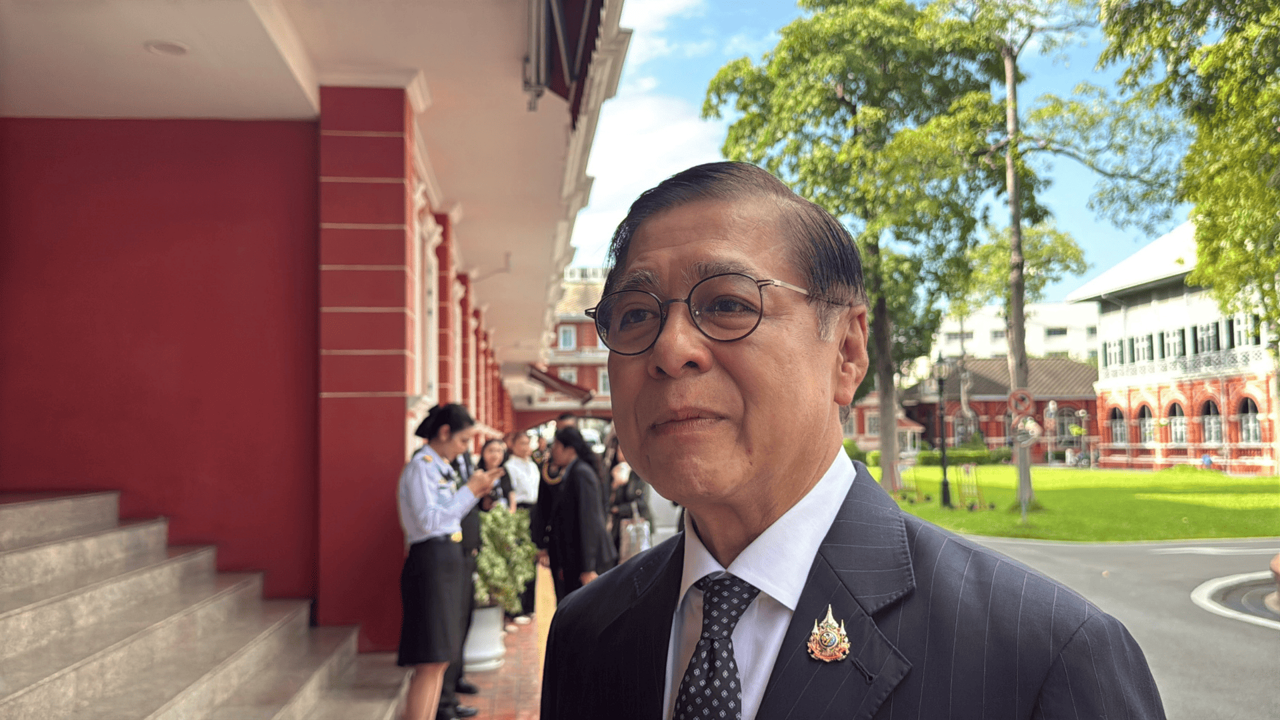








Thailand and the United States have finished negotiating the main principles of a tariff agreement, Foreign Minister Sihasak Phuangketkeow told reporters at Government House in Bangkok on Wednesday, November 11. He said both governments appeared satisfied with the broad terms, but many details still have to be settled, and the deal must be submitted to Thailand’s Parliament for approval.
Sihasak, who also serves as a deputy prime minister, didn’t disclose any tariff rates, the products covered or a timetable for the deal to take effect. The talks were led by Deputy Prime Minister and Commerce Minister Suphajee Suthumpun, who he said could release an official document confirming that negotiations have ended.
An official joint announcement is expected at regional summits later this month, according to several news sources. The 49th ASEAN Summit runs in Manila from November 16 to 18, and the Philippine government has confirmed that US President Donald Trump will attend. Leaders of the Asia-Pacific Economic Cooperation forum then meet in Shenzhen, China, on November 18 and 19. Prime Minister Anutin Charnvirakul is scheduled to attend both gatherings.
For Thai exporters, the missing numbers are the key part of the story. Thai goods entering the US currently face a 12.5% tariff under Section 301 of the US Trade Act of 1974. That rate took effect on July 24, replacing a temporary 10% global tariff.
Washington placed Thailand in the higher of its two tariff bands partly because Thailand doesn’t ban imports of goods made with forced labor and hadn’t yet made a qualifying commitment through a reciprocal trade agreement. Countries that already have such a ban or deal pay 10%, a group that includes Thailand’s neighbors Cambodia and Malaysia. Thailand also faces a separate US investigation into excess manufacturing capacity in export sectors such as electronics, rubber and machinery.
The agreement has been more than a year in the making. Under a framework announced in October 2025, Thailand agreed to remove tariffs on about 99% of goods, while the US would keep a 19% tariff on Thai imports and set a zero rate for selected products. Thailand also committed to easing nontariff barriers, including accepting vehicles built to US safety and emissions standards and recognizing US Food and Drug Administration approvals for medical devices and pharmaceuticals.
That 19% rate stopped applying in February, when the US Supreme Court ruled against tariffs imposed under the International Emergency Economic Powers Act. A temporary 10% tariff followed before the current 12.5% rate replaced it in July.
Suphajee first said in late September that the two sides had reached agreement in principle. On October 7, Anutin said Thailand was about to conclude the deal and expected to sign it during Trump’s trip to Asia in November. In October, Trump also wrote to Anutin saying he hoped the agreement could be signed during that visit, according to several news sources.
Wednesday’s announcement came two days before Chinese Premier Li Qiang arrives in Thailand for an official visit from November 13 to 15, putting two of the country’s most important economic relationships in focus in the same week.
Sihasak said talks with Li would center on moving cooperation into advanced industries, particularly artificial intelligence and electric vehicles. He said Thailand wants Chinese companies to bring technology development and knowledge transfer that can upgrade the Thai workforce, rather than only setting up assembly plants. He also acknowledged Beijing’s concerns about online scams and human trafficking targeting Chinese nationals and called for closer cooperation between law enforcement agencies.
The government hasn’t said when the US agreement will reach Parliament or how long lawmakers will have to review it. Until the text is published, businesses won’t know whether Thailand will secure a lower rate than the 12.5% it pays today or which products might qualify for exemptions. The next clear signal is likely to come in Manila next week, where the two governments are expected to present the deal publicly. After that, the details will face scrutiny from Thai lawmakers before the agreement can move forward.